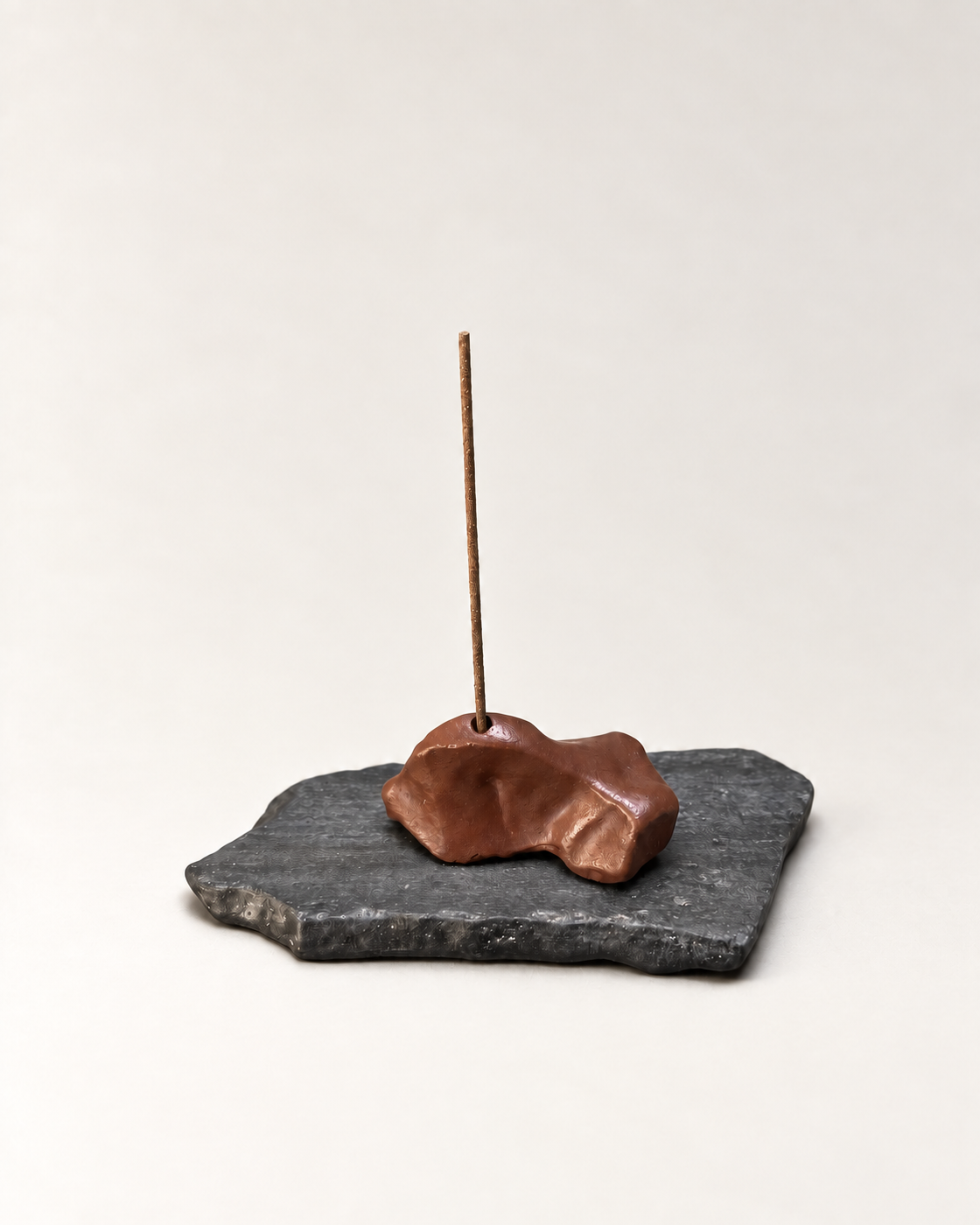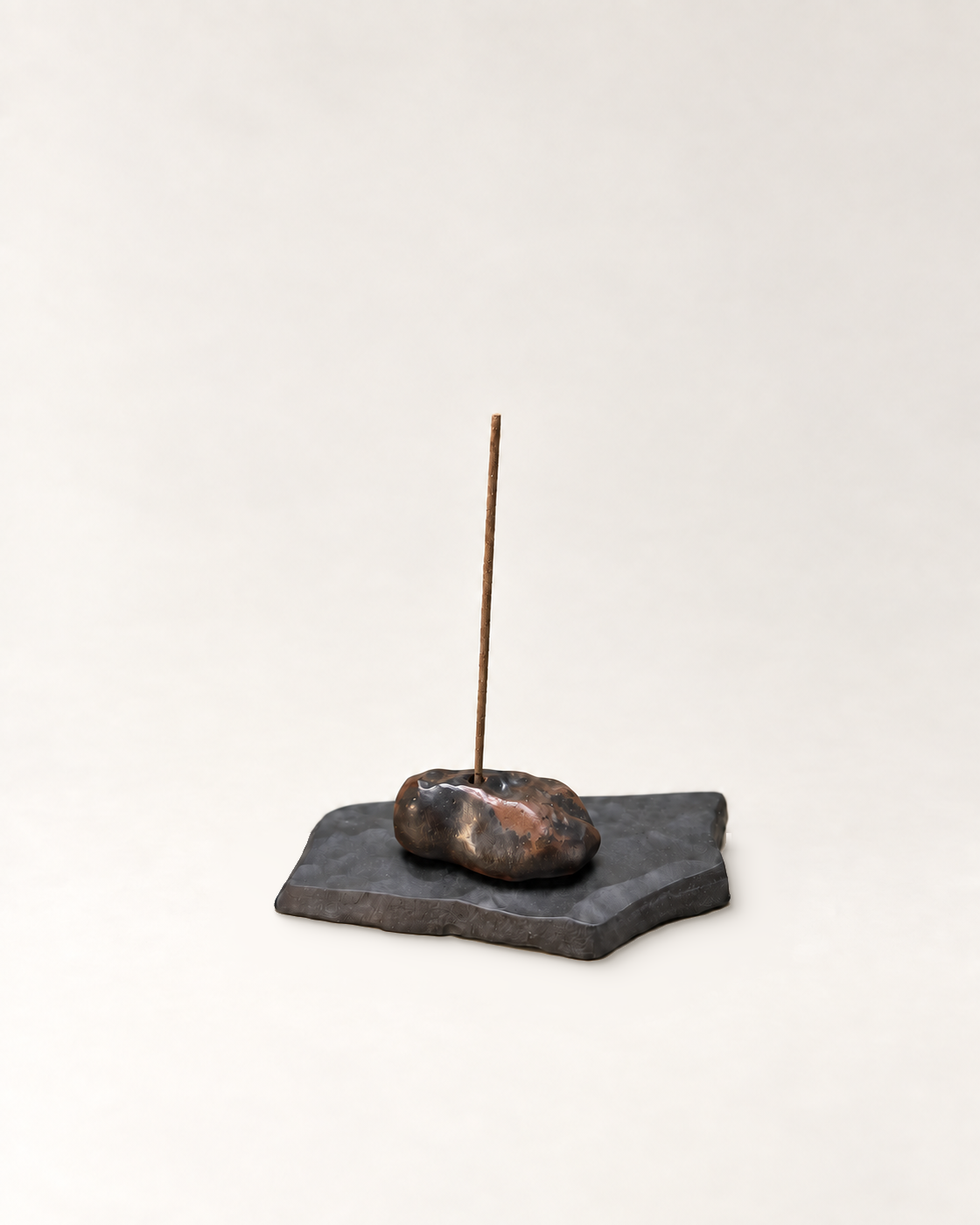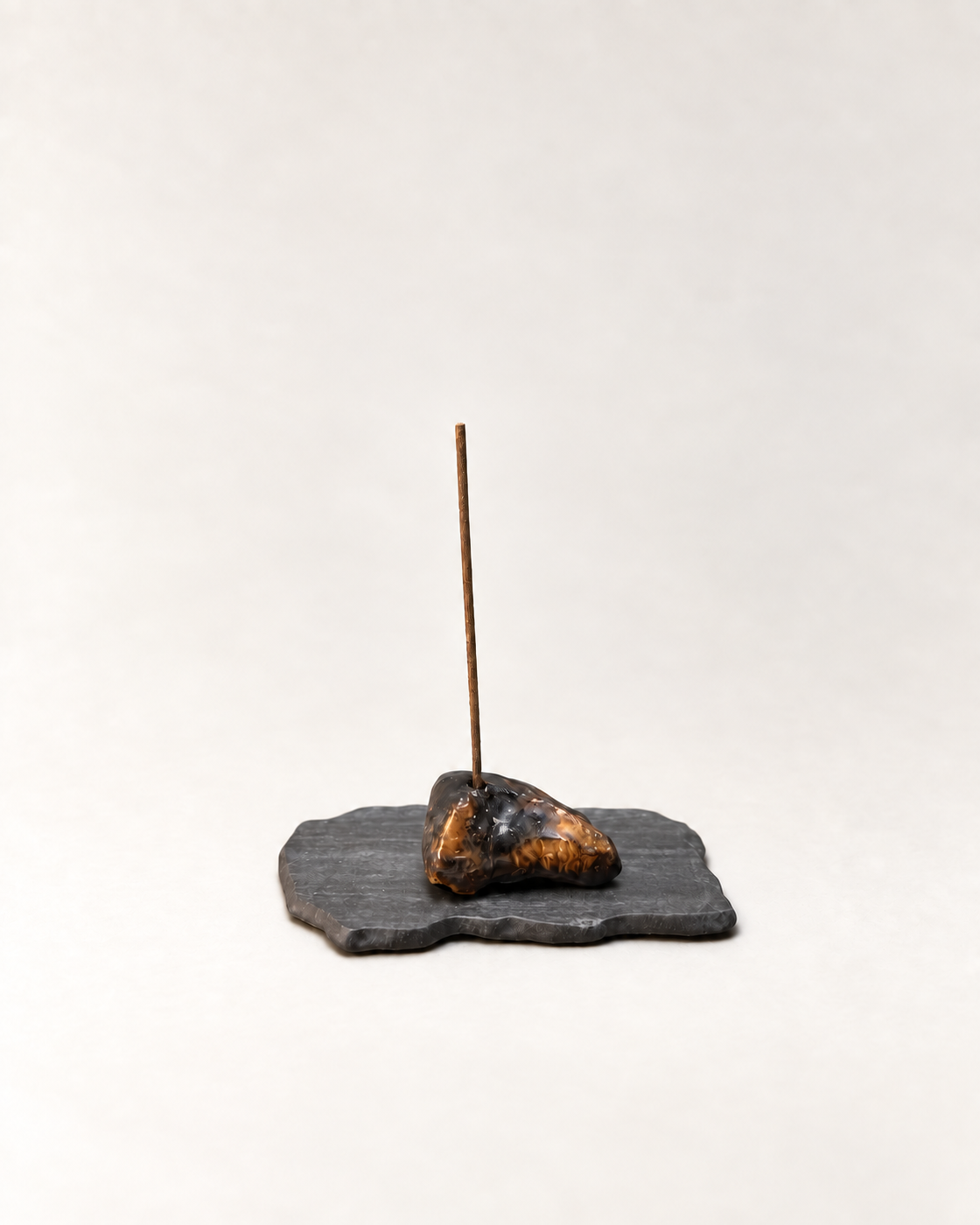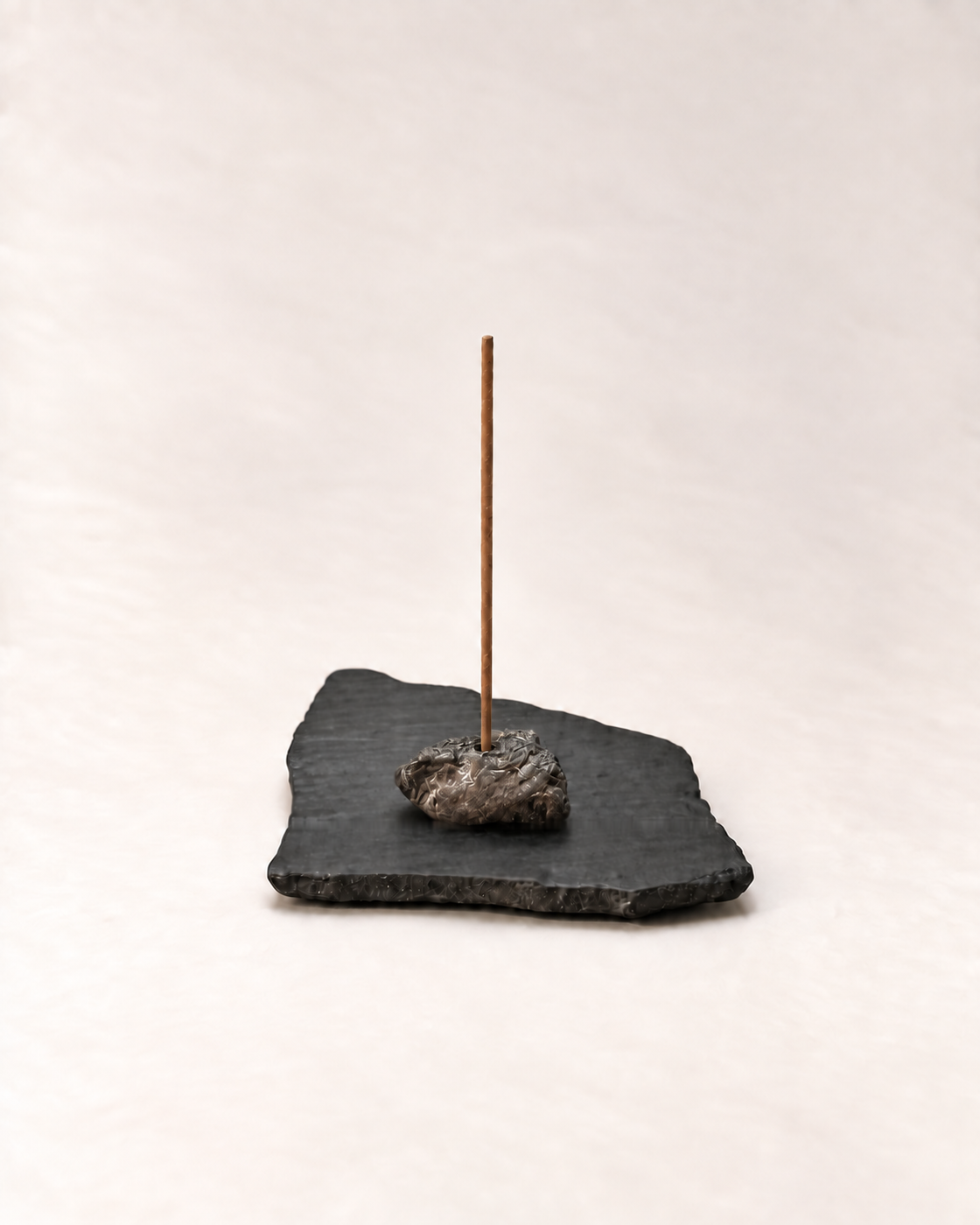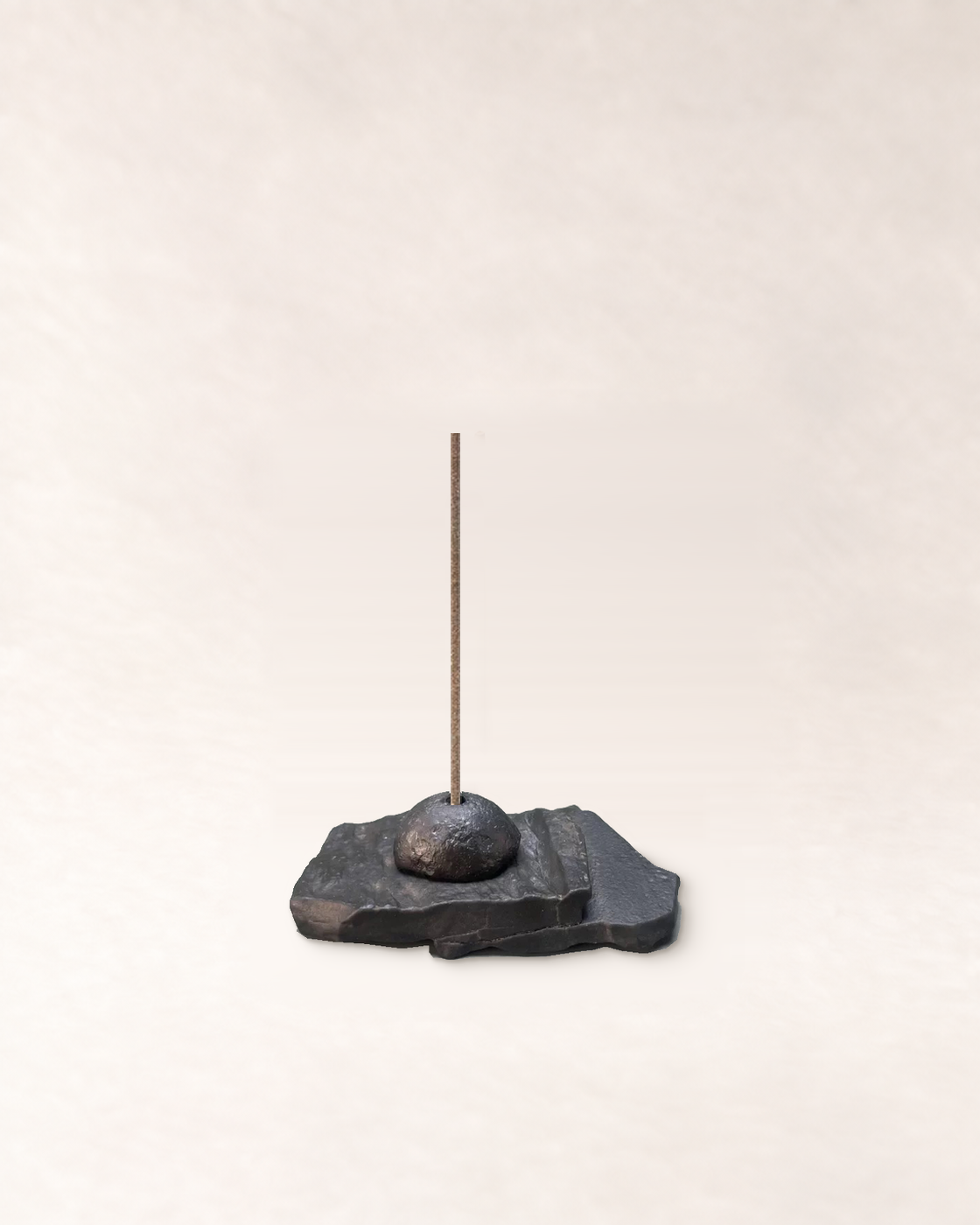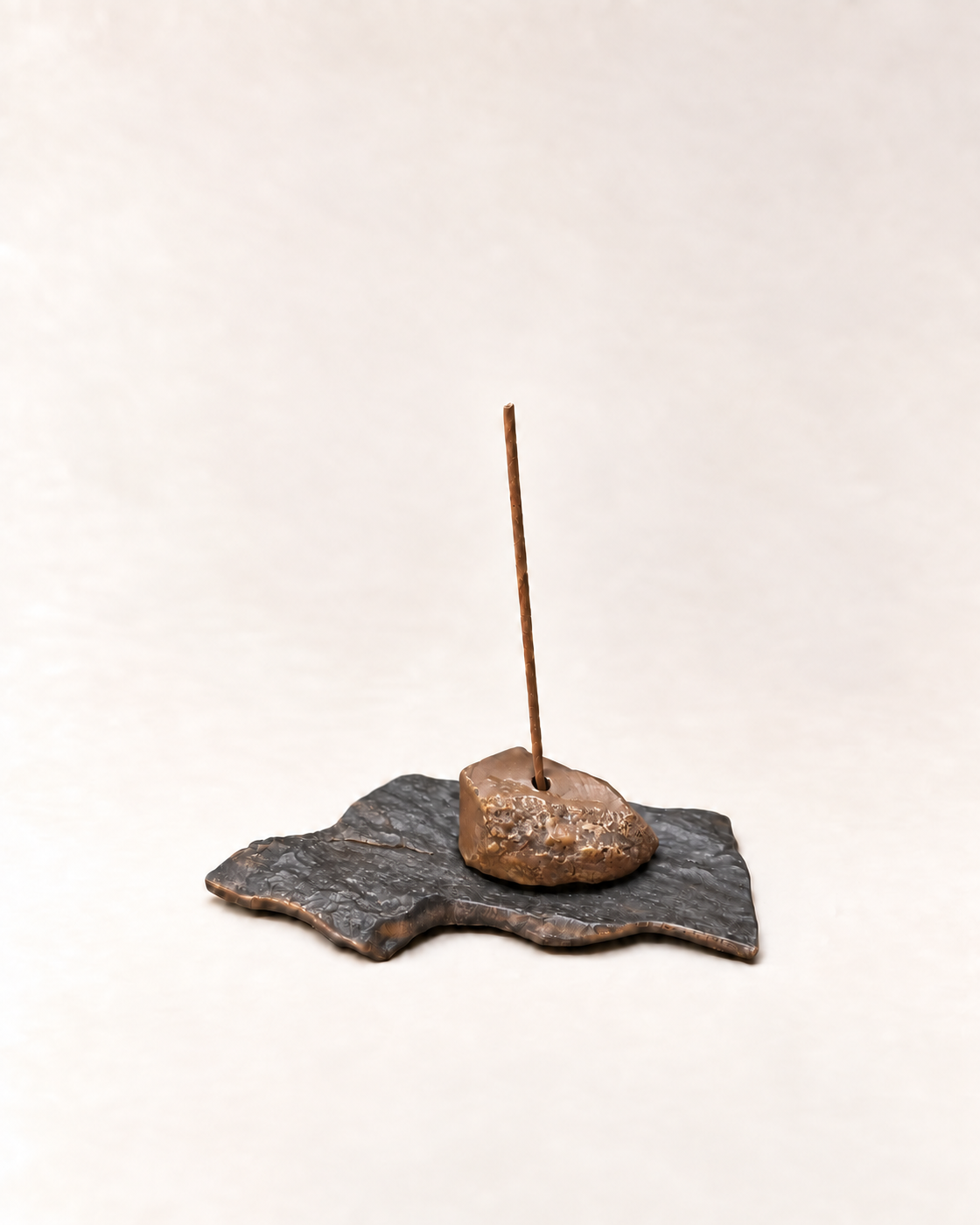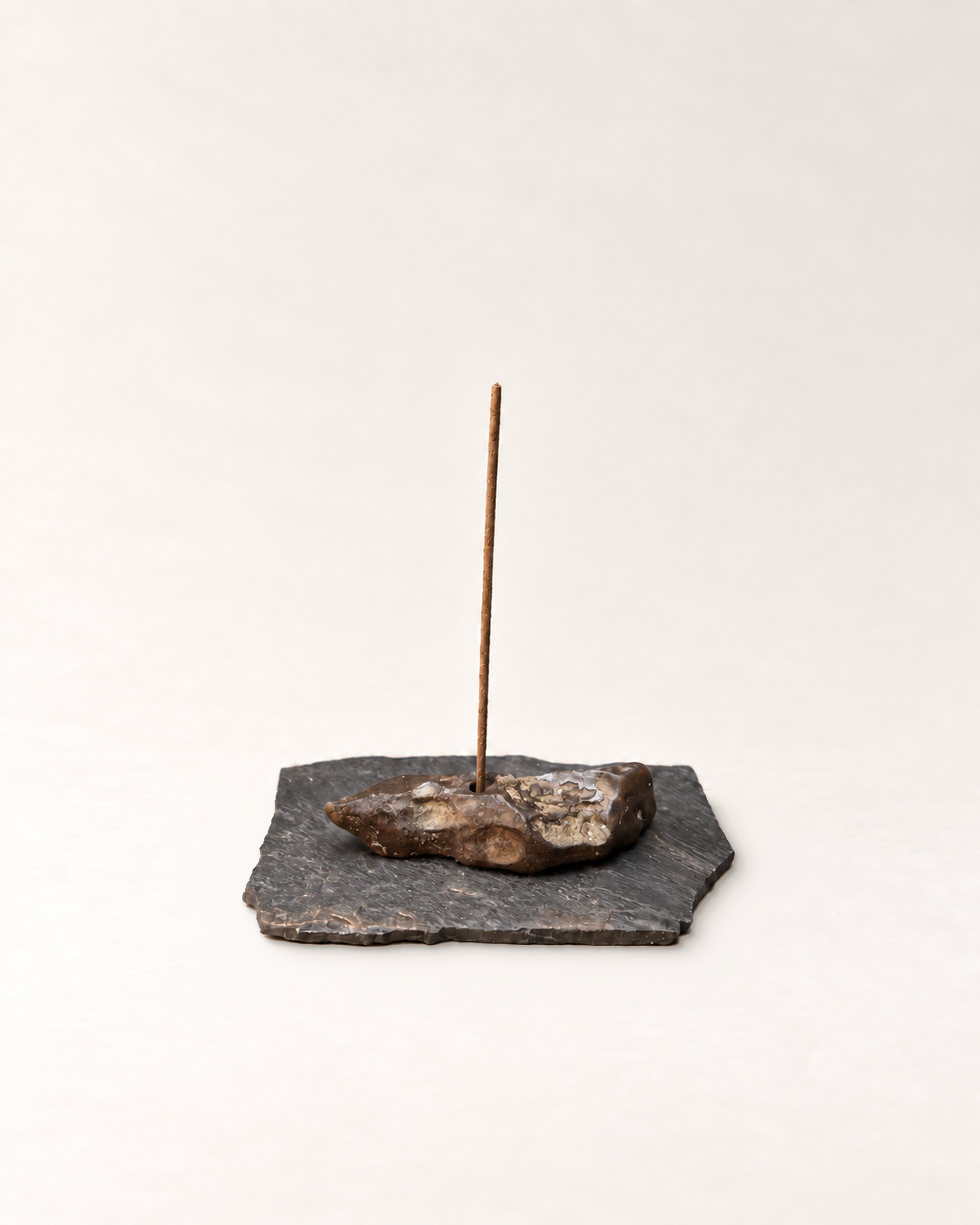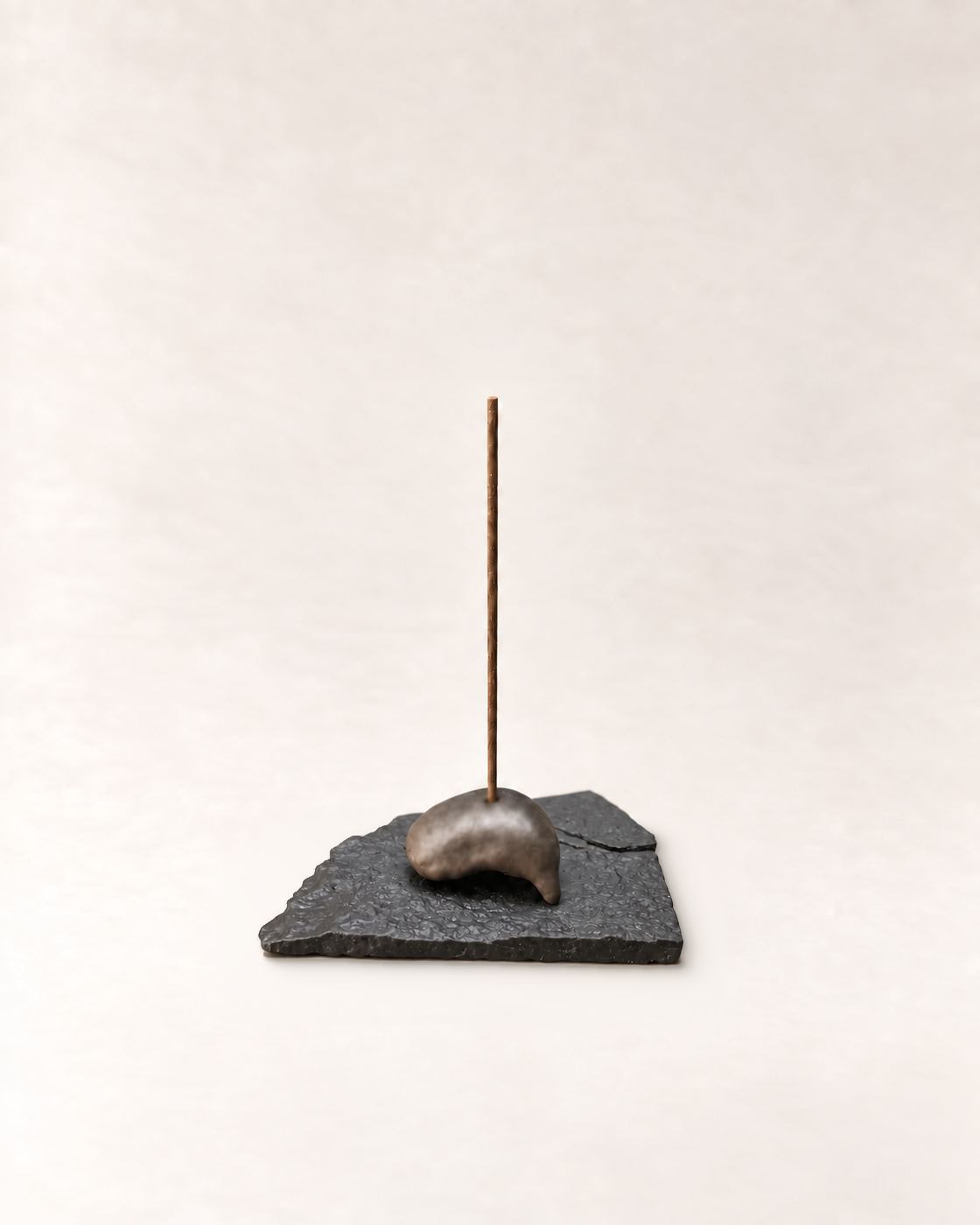



GRACE
Indian sandalwood
Material origin: India
Mellow wood with a soft floral note, creating a warm, elegant, and sacred feel.
Explore GRACE
In the Song dynasty (960–1279), people appreciated tasting tea and burning incense alongside arranging flowers and hanging paintings: four pursuits of cultivated daily life in China.
Like a true fine tea, it asks for no embellishment. Through gongfu tea, each infusion becomes a new chapter; in our pure incense, the sandalwood and agarwood itself is the story. Each stage of burning reveals another facet, from its first opening to the quiet lingering that remains.


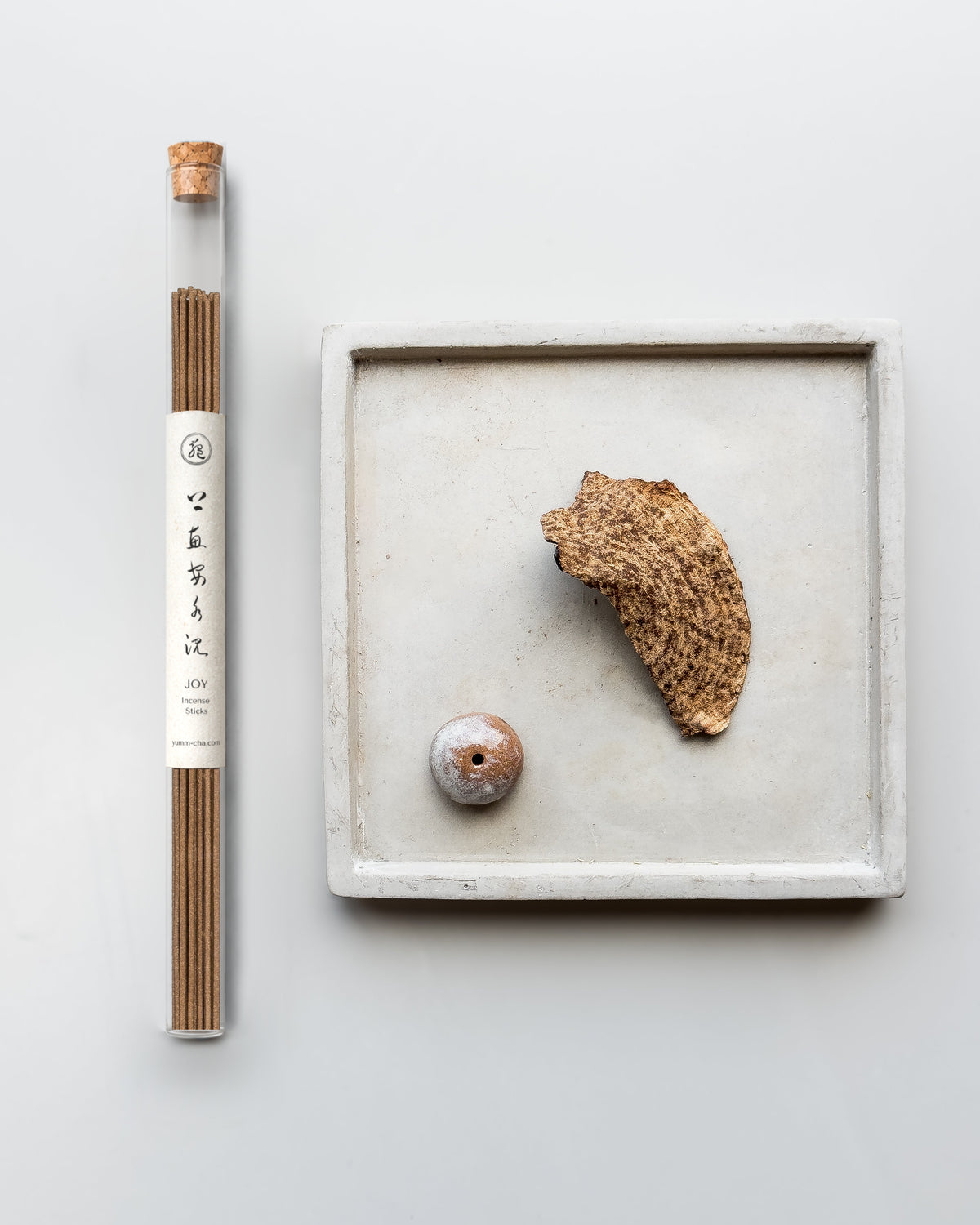
Agarwood is among the most prized aromatic materials, each carrying a depth and identity of its own. When it is exceptional, it can stand at the centre without added accords to cover its rare aroma or natural transformation in a refined incense.
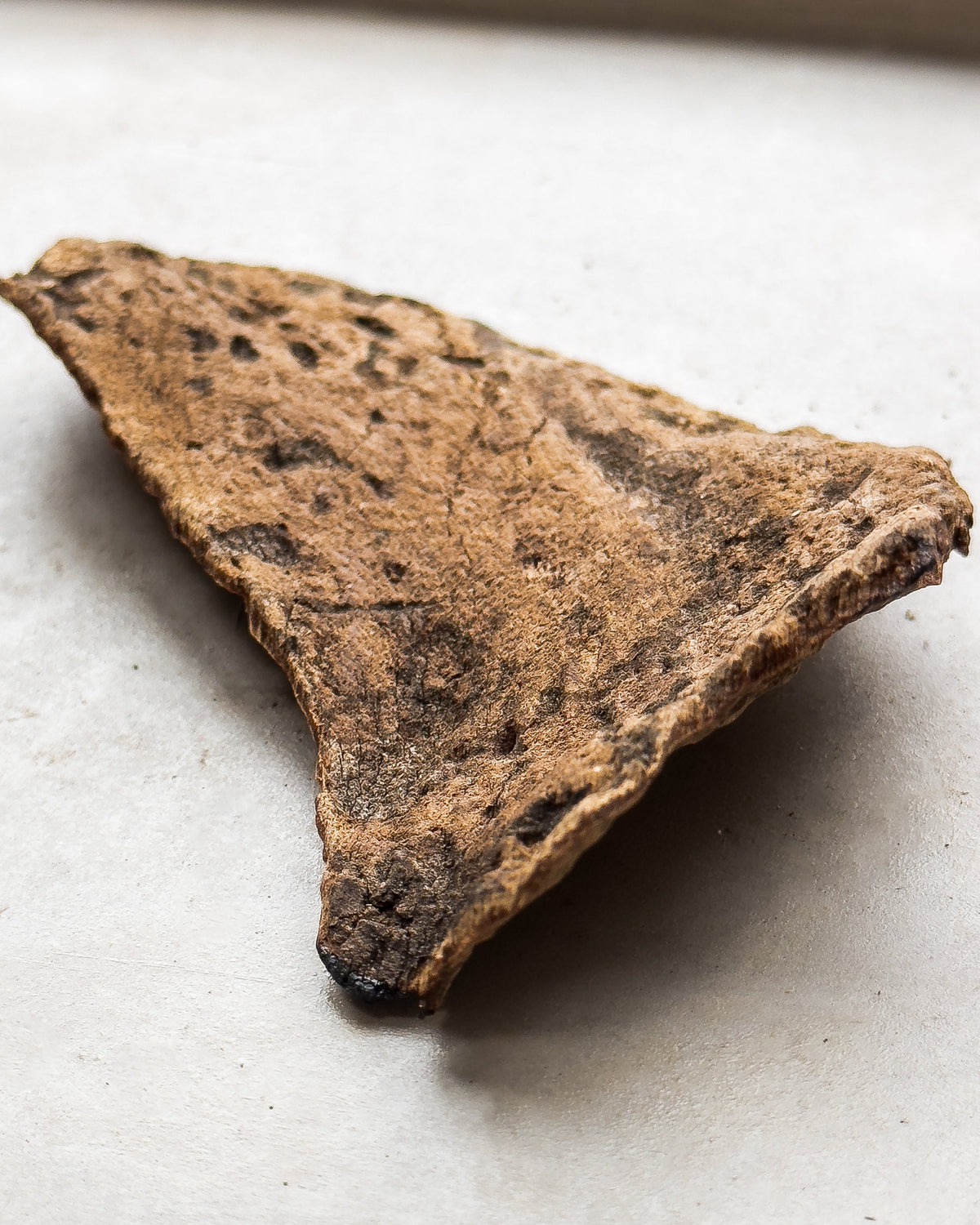
Agarwood is resin-rich wood formed in certain Aquilaria and Gyrinops trees. When the tree is wounded, it slowly gathers resin, turning time, protection, and place into fragrance. Its aromatic resin and production region give each piece its distinctive fragrance.
Some wild Aquilaria malaccensis records show growth of only 0.5 cm each year, making it one of the rarest and most expensive raw materials.
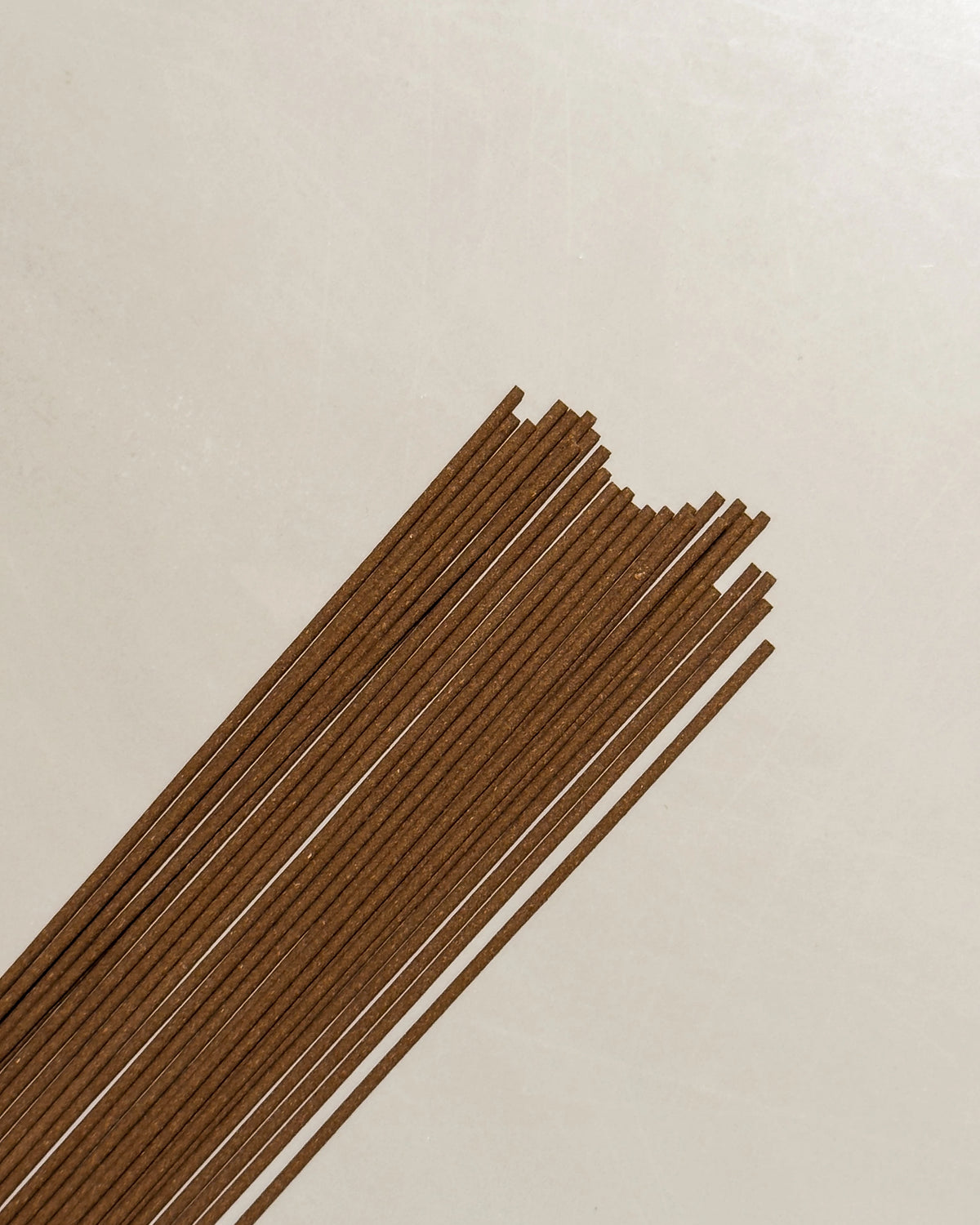
Our natural incense was handcrafted by century-old techniques and supplied to the famous temples, monks used them daily for meditation practice and ceremonies.
Notice the opening, the quiet layers that unfold, and the fragrance that lingers long after the smoke has faded.
Indian sandalwood
Material origin: India
Mellow wood with a soft floral note, creating a warm, elegant, and sacred feel.
Explore GRACE
Vietnamese agarwood
Material origin: Hoi An, Vietnam
Gentle woodiness. A meditative, grounded agarwood profile compared with JOY’s sweeter, lingering finish.
Explore PURITY
Aged Vietnamese agarwood
Material origin: Hoi An, Vietnam
Mellow sweetness with a gentle cool impression. Distinguished by its sweeter aroma and long, lingering finish.
Explore JOY
Hainan insect-induced agarwood
Material origin: Hainan, China
Insect-induced agarwood, with its smooth, creamy profile and distinctive sweet notes, in an extra-thin 0.8 mm stick. Perfect for bedrooms and smaller spaces.
Explore THE LINGER
Red soil & aged agarwood
Material origin: Hoi An, Vietnam
Floral and fruity at the opening, developing creamy sweetness. More profound, layered and complex than JOY.
Explore DHARMA JOY
Lavender · chamomile
Herbal and earthy. A botanical blend with a different character from the wood-based incense.
Explore SERENITY