


Two Agarwood Species
Aquilaria sinensis vs. Aquilaria crassna
Beyond origin and formation, the species of the agarwood tree plays an essential role in shaping its aromatic character. Two species are most commonly discussed: Aquilaria sinensis and Aquilaria crassna.
Aquilaria sinensis
Native to southern China (including Guangdong, Hainan*, and Guangxi), this species is traditionally associated with Chinese medicinal and classical incense. Its aroma tends to be calm, grounded, and restrained, often leaning toward woody, herbal, and bittersweet notes, with a slower and more linear development.
*In the past, Hainan had another rarer species regarded as one of the highest-quality agarwood: Aquilaria grandiflora (1861 named), which is nearly impossible to find these days.
Aquilaria crassna
Found primarily in Vietnam, Cambodia, and Laos, A. crassna is one of the most important species for high-grade agarwood in the international incense world. When naturally formed in the wild, it is known for its layered aromatic structure, combining gentle coolness, refined sweetness, and resinous depth with a clean and evolving profile.
It is important to note that:
Species does not determine quality; instead, it determines the aromatic direction.
When all other conditions are equal: wild origin, natural formation, and skilled craftsmanship.
-
sinensis emphasises stability, and grounding
-
crassna emphasises clarity, complexity, and aromatic evolution
Wild Agarwood vs. Artificially Induced Agarwood
The value of agarwood is shaped not only by origin or species, but fundamentally by how the resin is formed. In today’s market, agarwood generally falls into two categories: wild, naturally formed agarwood and artificially induced agarwood, each with distinct characteristics.
Wild Agarwood
Wild agarwood forms in natural forests, where trees respond to injury or microbial interactions by slowly producing resin over many decades. This prolonged, organic process allows the aroma to develop depth, balance, and structural complexity.
Typical characteristics include:
-
Clear and natural aromatic progression from start to finish
-
Balanced interplay of sweetness, gentle coolness, and resinous depth
-
Soft, refined smoke that remains smooth and non-irritating
-
Emphasis on endurance and harmony rather than immediate intensity
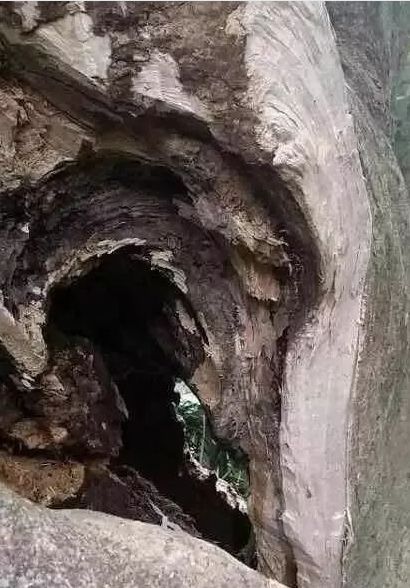
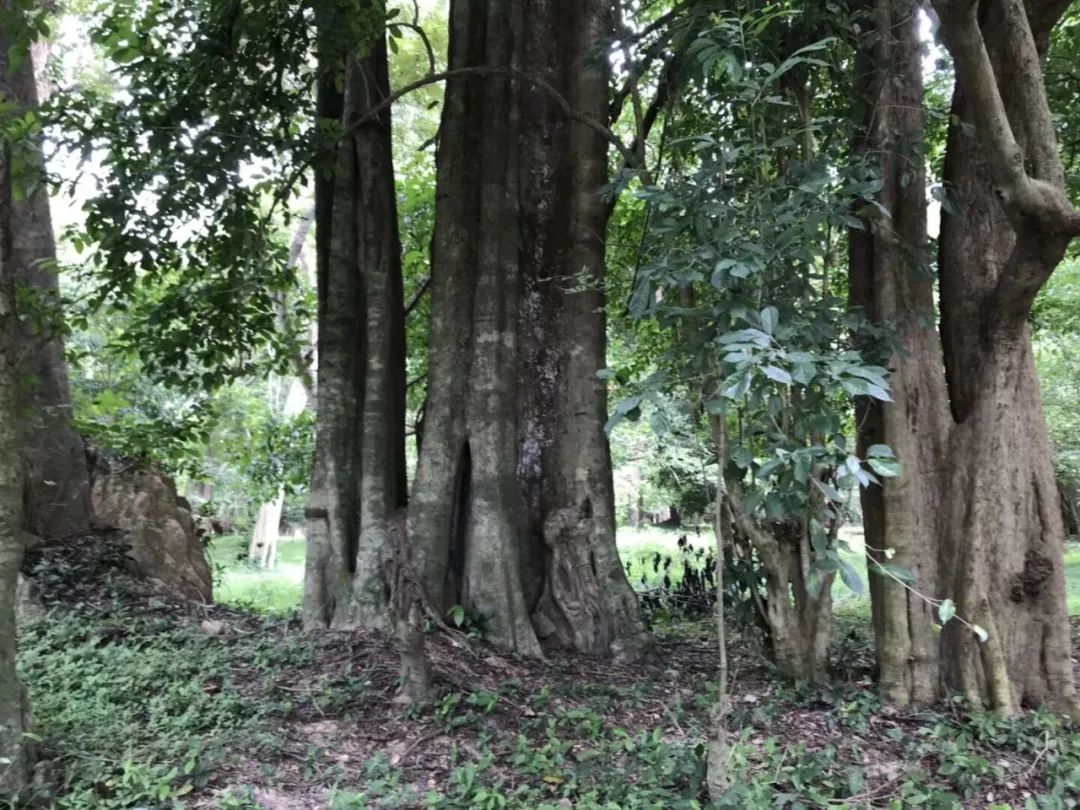
Artificially Induced Agarwood (photo from the internet)
Artificial induction is commonly applied to plantation-grown trees, using mechanical, chemical, or microbial methods to accelerate resin formation. This approach is widespread and serves practical purposes in the modern market.
Artificial induction does not automatically mean poor quality; it represents a different aromatic philosophy. However, when the focus is on natural evolution, layered complexity, and long-term burning experience, wild agarwood remains the preferred choice among experienced incense users and traditional practices.

Photos Source: the internet
Our Agarwood Sourcing & Quality
At YUMM CHA, our agarwood incense is crafted from central Vietnam, a region long regarded as one of the most important origins for high-quality agarwood. Agarwood from central Vietnam is valued not for immediate intensity but for its refined aromatic progression: a clean, gentle opening, followed by warm, resinous depth, and a calm, lingering sweetness. The scent remains smooth and composed throughout the burn, making it especially suitable for meditation, ritual use, and quiet daily practice.
Our incense is produced in collaboration with a century-old traditional incense house and award-winning masters. It has been supplied to major temples in Taiwan for years.
We focus on what truly defines quality and authenticity:
Clear provenance, natural formation, traditional craftsmanship, and an aroma that can be trusted over time. Not louder, but purer and made to endure.
This commitment is the fundamental connection between our incense and our brand promise. Explore our incense collection and experience workshops in your city.